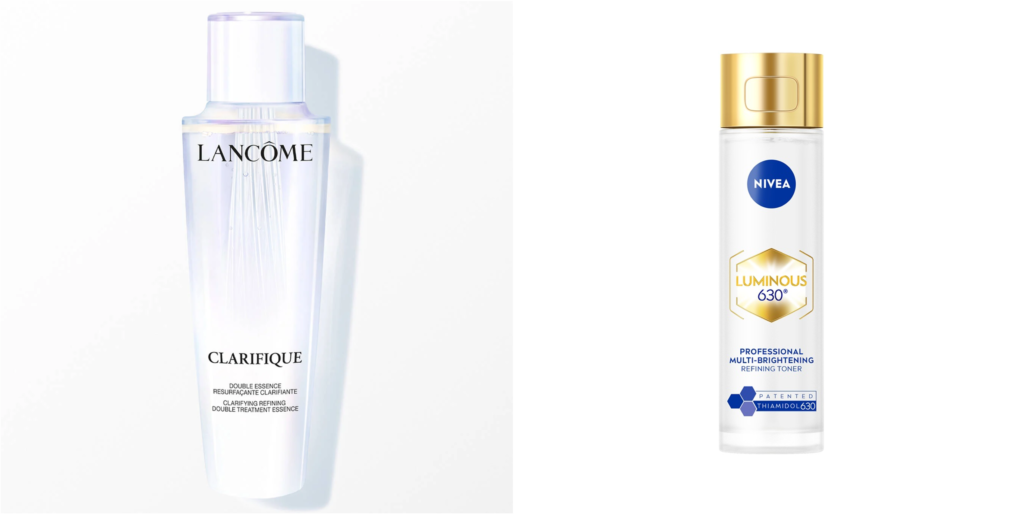
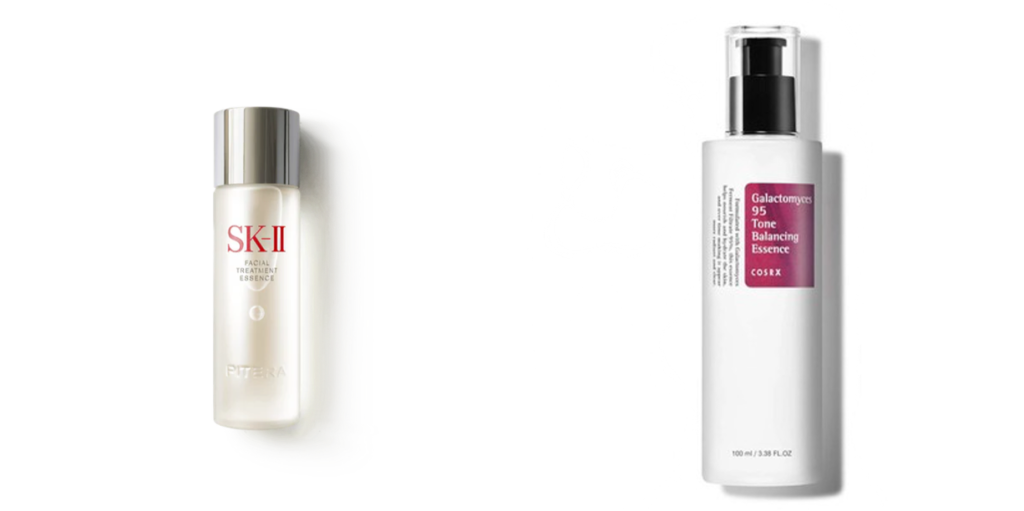
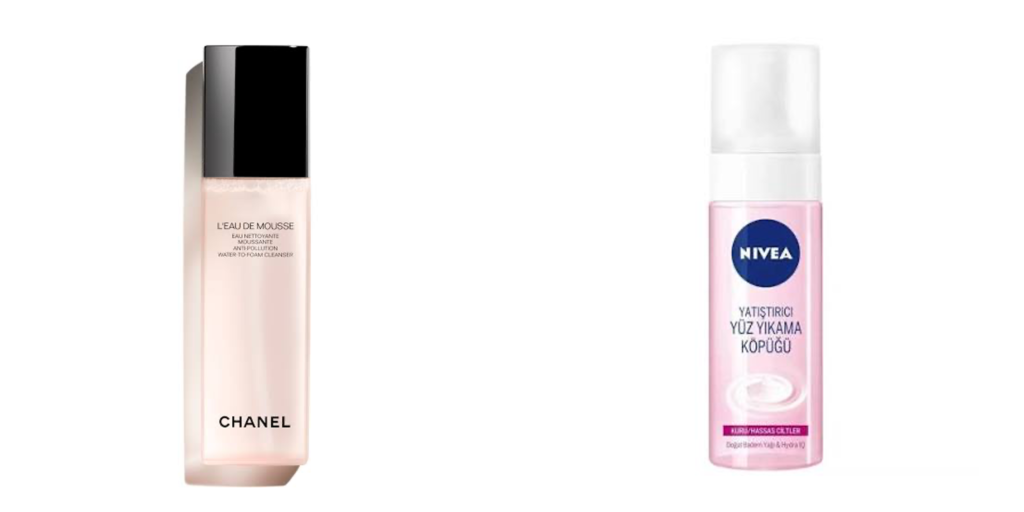
Chanel wants you to believe you’re rinsing your face with the ocean. Blue micro-algae, marine spring water, a name that translates to “foam water” in the most French way possible.
Nivea just wants your face clean without drama. Let’s see what $50 of “marine science” actually buys you over a drugstore pump bottle.
The Price Shock
This is a rare fair fight — both bottles are the exact same size, so there’s no unit-math trickery here.
| Chanel L’EAU DE MOUSSE | Nivea Soothing Cleansing Mousse | |
|---|---|---|
| Size | 150ml | 150ml |
| Price | ~$45–$65 | ~$10 |
| Price per ml | ~$0.30–$0.43/ml | ~$0.07/ml |
Same volume, up to 6x the price. Let’s see if the formula backs that up.
The Surfactant Showdown
Both brands skip soap entirely and reach for mild, plant- and amino-acid-derived surfactants — this is genuinely good formulating on both sides.
| Chanel | Nivea | |
|---|---|---|
| Plant-based surfactant | Lauryl Glucoside | Decyl Glucoside |
| Amino acid surfactant | Sodium Methyl Cocoyl Taurate | Disodium Cocoyl Glutamate |
| Cleansing strength | Slightly stronger, more stable luxury foam | Milder, rinses off with minimal effort |
Lauryl Glucoside has a longer carbon chain than Decyl Glucoside, which generally means a bit more cleansing power and a denser foam — which tracks with Chanel’s “cushiony lather” branding. Nivea’s shorter-chain Decyl Glucoside trades a bit of cleansing punch for gentleness, which is exactly what you want in a mousse aimed at sensitive, reactive skin.
One thing to flag: Chanel also includes Cocamidopropyl Betaine, a common co-surfactant that carries a wider irritancy range on CosDNA (1–5). It’s in tons of gentle cleansers and is fine for most people, but if you’re the type who reacts to “gentle” cleansers anyway, it’s worth patch testing.
Hydration & Texture
Chanel’s humectant lineup: Glycerin, Diglycerin, Pentylene Glycol, Caprylyl Glycol, Polyglycerin-3 — a genuinely layered, multi-glycerin blend designed for longer-lasting moisture retention post-rinse.
Nivea keeps it simpler: Sorbitol, Glycerin, Propylene Glycol — the classic, reliable humectant trio. Fewer moving parts, but Sorbitol and Glycerin are two of the most well-studied, effective humectants in the business. Simple doesn’t mean lesser here.
Chanel’s formula is doing more “premium” texture engineering. Nivea’s is doing “get the basics right and don’t overcomplicate it.” Both approaches work.
The “Special” Ingredients & the Story Behind Them
This is where the price tag really starts making sense — and where you can see exactly what you’re paying for.
Chanel’s ocean narrative shows up as real ingredients: Algae Extract, Salicornia Herbacea (a salt-marsh plant extract), Maris Aqua (actual sea water), and Phytic Acid for mild chelating/exfoliating action. It’s a cohesive, on-brand story, and the ingredients genuinely back up the “anti-pollution marine” positioning.
Nivea’s story is simpler: Prunus Amygdalus Dulcis Oil — sweet almond oil — a classic, barrier-supporting emollient oil. One quick caveat: almond oil carries a moderate comedogenic rating (3 on CosDNA), so if you’re acne-prone, this is one to watch even though it’s genuinely lovely for dry, sensitive skin.
Both formulas end with a fragrance ingredient (Parfum) rated 4 for irritancy on CosDNA — so if fragrance sensitivity is a dealbreaker, neither cleanser is fragrance-free, luxury or drugstore.
The Verdict
Is Chanel worth the splurge? Depends what you’re buying it for.
Choose Chanel if: you want the multi-glycerin hydration layering, the slightly stronger cleanse, and yes — the sensory, marine-spa bathroom moment. That’s a real, tangible product experience, not just a label.
Choose Nivea if: you want daily, no-fuss, sensitive-skin-friendly cleansing that does its job without the ritual — and you’d rather put the $40 you saved toward a good serum instead.
For practical daily cleansing on reactive or dry skin, Nivea is the smarter buy pound-for-pound. For the luxury bathroom shelf aesthetic and a slightly more indulgent formula? That’s what you’re paying Chanel for — and there’s nothing wrong with buying an experience, as long as you know that’s what it is.
Which one’s earning a spot on your sink — the ocean in a bottle, or the $10 workhorse?
Disclaimer: The information and ingredient analysis provided in this article are for educational and informational purposes only. Everyone’s skin type and condition are different; readers should carefully assess their own individual needs and conduct a patch test before purchasing or using any new skincare. Every product has its unique formulation and characteristics. For specific product inquiries or claims, please contact the respective brand directly. For professional dermatological advice, diagnoses, or skin concerns, always consult a board-certified dermatologist or qualified healthcare professional.