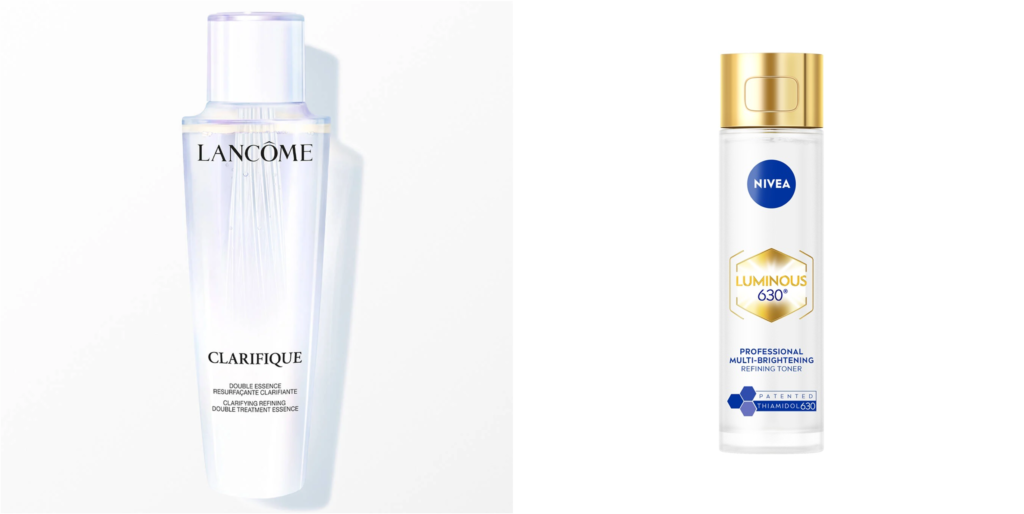
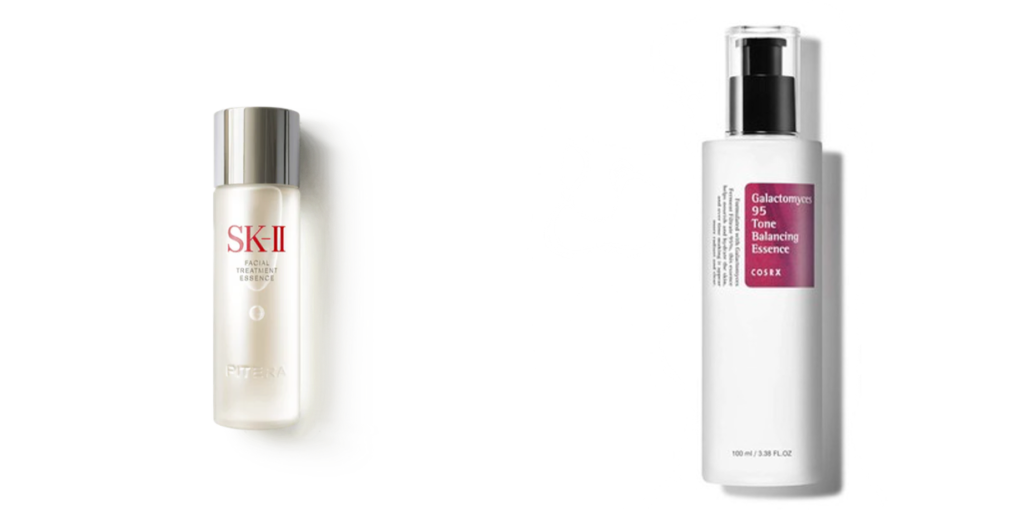
A viral infographic is pushing clé de peau BEAUTÉ Intensive Fortifying Cream (~$161 for 50ml) and medicube Triple Collagen Cream 4.0 (~$38 for 50ml) as dupes because they “share Trehalose and Vitamin E.” That’s a 4.2x price gap being explained away by two humectant-and-antioxidant basics.
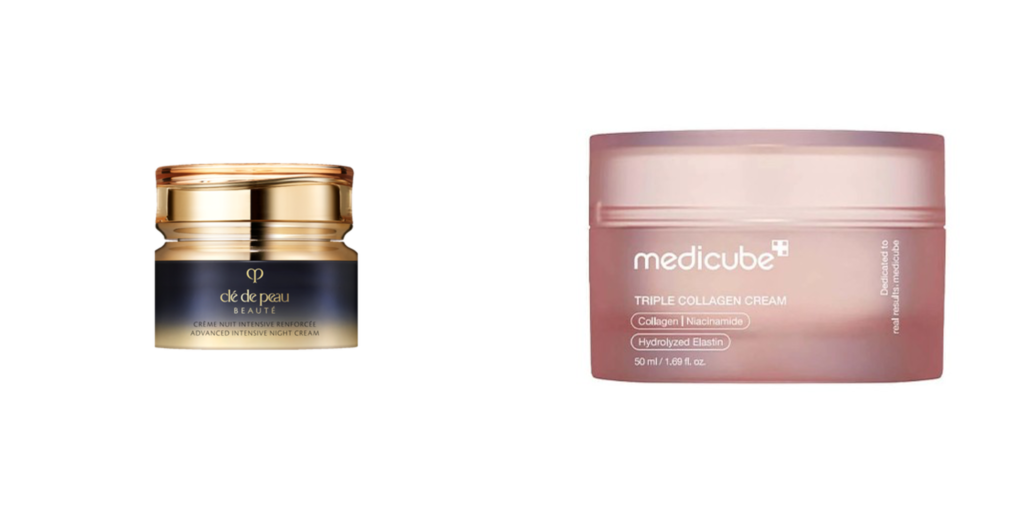
Here’s the problem: almost every serum and cream on the market contains some form of Trehalose and Vitamin E. That’s not a formulation secret, it’s a baseline. We went through both full CosDNA lists to find out what’s actually driving the price — and it’s not the trehalose.
The At-a-Glance Breakdown
| clé de peau BEAUTÉ | medicube Triple Collagen 4.0 | |
|---|---|---|
| Price & Volume | ~$161 / 50ml | ~$38 / 50ml |
| The Shiseido/CPB DNA | 4MSK (Potassium Methoxysalicylate), Ectoin, Hydrolyzed Silk, Hydrolyzed Conchiolin Protein (Pearl) | — |
| The K-Beauty Collagen/Peptide Matrix | — | Niacinamide, Squalane, Palmitoyl Tripeptide-5, Palmitoyl Pentapeptide-4, Hydrolyzed Elastin, Desamido Collagen |
| Texture/Alcohol Content | Alcohol Denat is the 2nd ingredient — lightweight, fast-absorbing | No Alcohol Denat — rich, cushioned texture |
The Basic Baseline: Yes, They Share Trehalose and Vitamin E (So Does Everyone)
Let’s give the infographic its due before we dismantle it: both formulas genuinely do contain Trehalose (medicube’s version, Glycosyl Trehalose, is a closely related derivative) for hydration, and both include a form of Vitamin E — Tocopheryl Acetate in clé de peau, Tocopherol in medicube — for antioxidant support.
That’s where the meaningful overlap ends. These are two of the most common, least differentiating ingredients in all of skincare. Using them to call a $161 cream and a $38 cream “the same” is like saying two cars are identical because they both have tires.
Clé de Peau’s Case: Alcohol-Powered Luxury Radiance
Here’s the detail that should surprise you: Alcohol Denat is the second ingredient on the entire list, right after water. That’s a huge concentration, and it’s fully intentional — it’s what delivers that famously weightless, instantly-absorbing texture the brand is known for. This isn’t a formula built for occlusion; it’s built for that “melts into skin” luxury feel.
Layered on top is genuine Shiseido-group technology: Potassium Methoxysalicylate, known as 4MSK, a proprietary brightening ingredient; Ectoin, a cell-protective molecule originally studied for extremophile bacteria; and a signature duo of Hydrolyzed Silk and Hydrolyzed Conchiolin Protein (derived from pearl). This is a formula engineered around overnight radiance and cellular turnover, not structural firming.
medicube’s Case: A Genuine Anti-Aging Structural Matrix
medicube goes in a completely different direction — and skips the alcohol entirely. There’s no Alcohol Denat anywhere on this list, which explains the noticeably richer, more cushioned texture.
In its place is a legitimately dense firming and plumping matrix: Niacinamide and Squalane for barrier support, then a genuine peptide stack — Palmitoyl Tripeptide-5 and Palmitoyl Pentapeptide-4 — backed by Hydrolyzed Elastin and Desamido Collagen. This is a formula built to actively address structural aging concerns: elasticity loss and fine lines, not surface radiance.
The Verdict: Different Aging Concerns, Different Tools
These were never dupes — they’re solving two different problems with two different chemistries.
Choose clé de peau if: you want a lightweight, instantly-absorbing night cream built for brightening and cellular turnover, and you don’t mind alcohol sitting high on your ingredient list. This is a legendary Japanese luxury formula, and the $161 buys you real proprietary tech like 4MSK.
Choose medicube if: you want a rich, alcohol-free cream actively packed with peptides, elastin, and collagen to fight structural aging and plumpness loss. At $38, this is arguably the more structurally sophisticated anti-aging formula of the two — just aimed at a different target.
Two humectants and one vitamin were never going to make these the same cream. So which aging concern are you actually trying to solve — radiance, or firmness?
Disclaimer: The information and ingredient analysis provided in this article are for educational and informational purposes only. Everyone’s skin type and condition are different; readers should carefully assess their own individual needs and conduct a patch test before purchasing or using any new skincare. Every product has its unique formulation and characteristics. For specific product inquiries or claims, please contact the respective brand directly. For professional dermatological advice, diagnoses, or skin concerns, always consult a board-certified dermatologist or qualified healthcare professional.