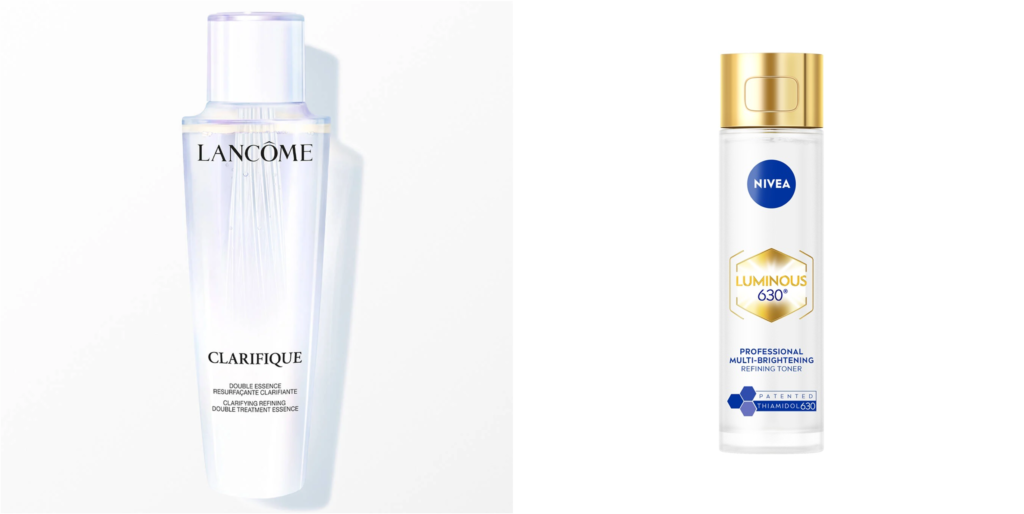
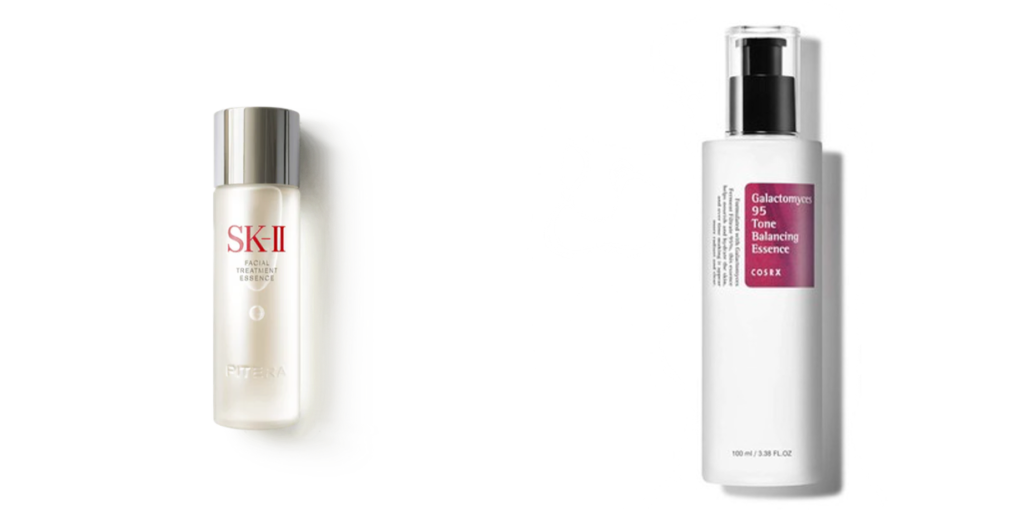
A viral infographic has been circulating claiming Tatcha The Water Cream (~$64 for 50ml) is only 2.5x the price of Torriden DIVE-IN Soothing Cream (~$25 for 100ml). Technically true on the sticker. Completely misleading on the shelf.
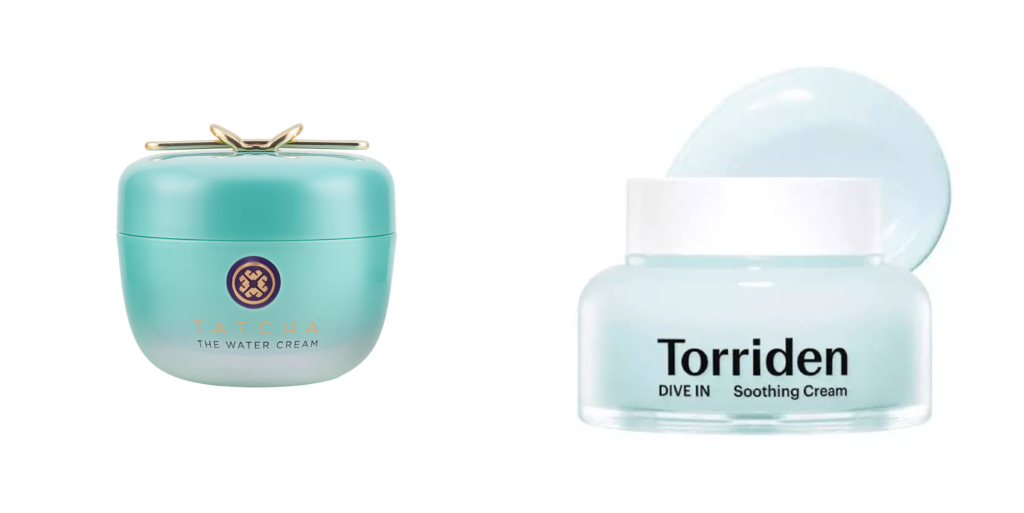
Here’s the math nobody’s doing: Tatcha gives you 50ml. Torriden gives you 100ml — double the product. Once you actually price these per milliliter, Tatcha runs about $1.28/ml and Torriden runs about $0.25/ml. That’s over 5x cheaper, not 2.5x. We’re exposing the volume trick and checking the ingredient lists to see if the K-beauty jar can genuinely back it up.
The At-a-Glance Breakdown
| Tatcha The Water Cream | Torriden DIVE-IN Soothing Cream | |
|---|---|---|
| Price & Volume | ~$64 / 50ml (~$1.28/ml) | ~$25 / 100ml (~$0.25/ml) |
| The Core Hydrator | Sodium Hyaluronate, Glycerin | 5 forms of Hyaluronic Acid, Glycerin |
| Unique Star Ingredients | Hadasei-3 complex (rice ferment, green tea, algae), Japanese Wild Rose, 23-karat Gold | Dexpanthenol, Allantoin, Trehalose, Malachite Extract |
| Formulation Goal | Luxurious pore-refining “water-break” texture | Deep multi-depth hydration + barrier soothing |
The Shared “Water-Burst” Baseline
Let’s give the comparison its due — this isn’t a random pairing. Both are lightweight, oil-free gel creams built around Sodium Hyaluronate and Glycerin to deliver that instant, plumped “water-burst” feeling on application. If you’ve used both, the textural similarity at first touch makes sense — the foundational hydrators are doing similar work.
Where they diverge is everything layered on top.
Tatcha’s Case: Botanical Luxury, Silicone Slip, and Actual Gold
Tatcha’s texture is famous for a reason, and the ingredient list explains why: it’s genuinely silicone-heavy, stacking Dimethicone alongside Diphenylsiloxy Phenyl Trimethicone, PEG-9 Polydimethylsiloxyethyl Dimethicone, and two separate dimethicone crosspolymers. That’s five different silicone-family ingredients working together for that iconic, elegant “water-break” glide.
The brand’s signature Hadasei-3 complex checks out on the INCI, too — Saccharomyces/Rice Ferment Filtrate, Camellia Sinensis (Green Tea) Leaf Extract, and Cladosiphon Okamuranus (algae) Extract are all genuinely present. Add in Rosa Multiflora Fruit Extract (the Japanese wild rose behind the pore-refining claims) and, yes, real Gold, sitting on the list as a colorant. This is a formula built for sensorial luxury as much as function.
Torriden’s Case: A Genuine 5-Molecule HA Flood
Torriden skips the silicone game entirely and goes all-in on hyaluronic acid depth instead — and this is where the “5D” marketing name earns its keep.
Counting through the full list, we found five distinct forms of hyaluronic acid: Hydrolyzed Hyaluronic Acid, Sodium Hyaluronate, Sodium Acetylhyaluronate, Hydrolyzed Sodium Hyaluronate, and a Sodium Hyaluronate Crosspolymer. Different molecular weights hit different depths of the skin, which is the actual science behind “multi-depth hydration” claims (as opposed to just marketing fluff).
That HA flood is backed by a serious calming trio: Dexpanthenol (Vitamin B5), Allantoin, and Trehalose — all working on barrier soothing rather than just surface hydration. And that soft pastel-blue tint everyone asks about? It’s genuinely from Malachite Extract, not synthetic dye.
The Verdict: Not a 1:1 Dupe, But an Honest Functional Swap
These formulas aren’t identical twins, and we’re not going to pretend they are.
Choose Tatcha if: you want a genuinely luxurious, pore-refining experience with that signature silky silicone slip and fermented botanical complex. You’re paying for texture and ritual as much as hydration, and it delivers both beautifully.
Choose Torriden if: you have dehydrated or sensitive skin and want pure, multi-depth hydration plus barrier soothing — without spending five times more per milliliter for silicone and gold flakes. At $0.25/ml versus Tatcha’s $1.28/ml, the 100ml tub is the real budget MVP here.
Next time an infographic gives you a tidy price ratio, do the per-ml math yourself first. The real gap is usually bigger than the graphic wants you to notice — so which number were you shopping off of?
Disclaimer: The information and ingredient analysis provided in this article are for educational and informational purposes only. Everyone’s skin type and condition are different; readers should carefully assess their own individual needs and conduct a patch test before purchasing or using any new skincare. Every product has its unique formulation and characteristics. For specific product inquiries or claims, please contact the respective brand directly. For professional dermatological advice, diagnoses, or skin concerns, always consult a board-certified dermatologist or qualified healthcare professional.